Politics
7-Eleven Has Been Charging The Wrong Price For Years And It Is Technically Fine
By Mor Michael, . BSN Network. Satire.
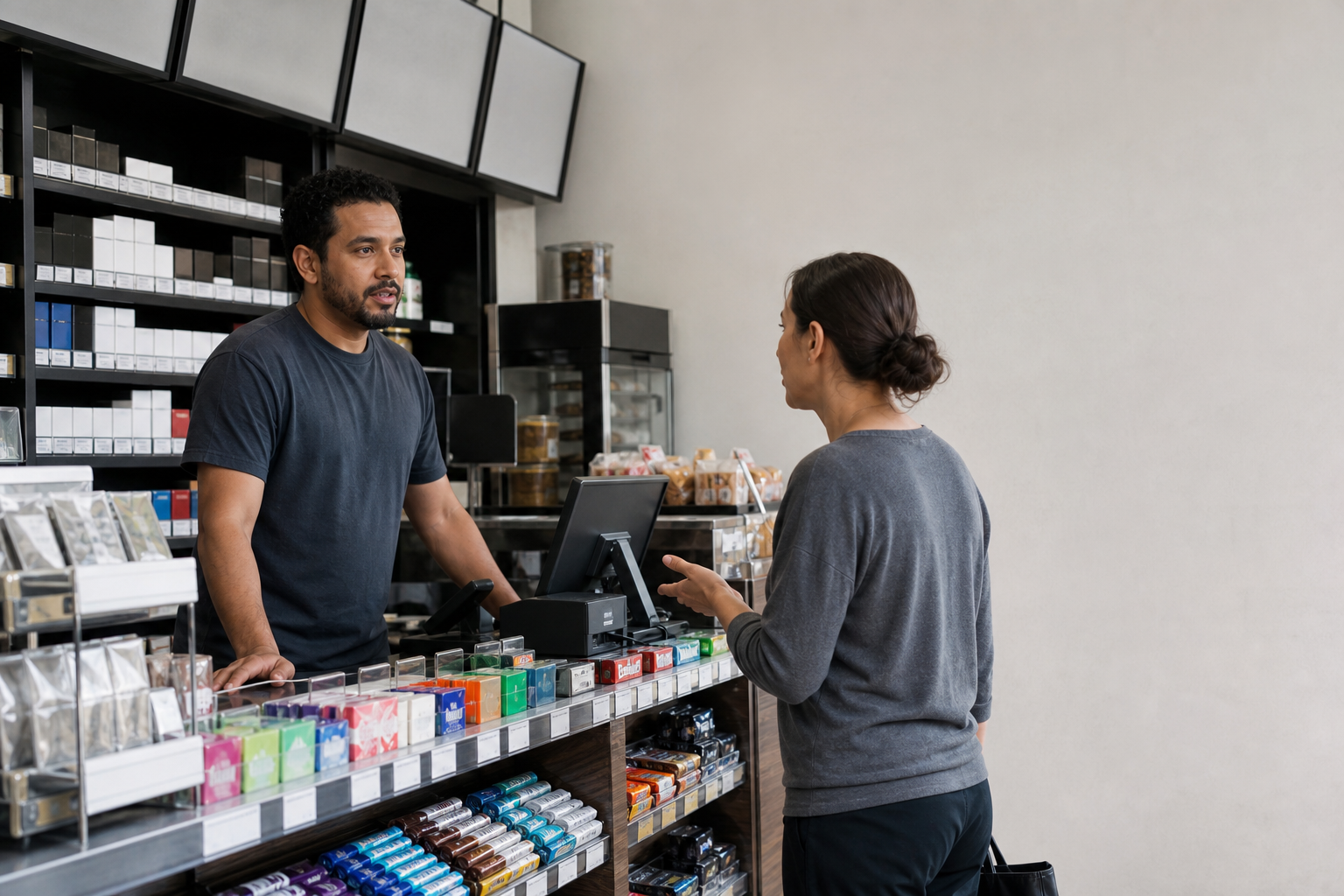
Five members of the United States House of Representatives have formally expressed their feelings about the pricing practices of 7-Eleven and Circle K, the country's two largest convenience store chains, after a Guardian investigation documented what customers have been saying out loud at gas station counters for roughly thirty years.
The Guardian found that both chains routinely charge customers more at the register, or more at the pump, than the price advertised on the shelf or on the outdoor fuel sign. The overcharges are frequent, they are not random, and in a large number of American states they are not subject to any penalty that would make a publicly traded company take notice.
The five lawmakers, all House Democrats, described the findings as "enraging" in a letter sent to the chains' corporate leadership. The letter did not contain subpoena power, funding, legislation, or a return address for a response. It did contain the phrase "everyday Americans."
Representative Jan Schakowsky of Illinois, one of the signatories, said the investigation "underscores the affordability struggles facing consumers across the country," which is a sentence that could be placed unchanged in any document produced by any Congress in the last forty years and would not be out of place in any of them.
A 7-Eleven spokesperson said the company "takes pricing accuracy seriously" and that it "continuously works to ensure customers are charged correctly," a statement that contains no information but arrives in a professionally reassuring font.
Circle K did not respond by press time, which is also a form of communication.
For context: 7-Eleven operates roughly 13,000 locations in the United States. Circle K operates roughly 7,000. The Guardian's investigation was not a surprise to anyone who has stood at a gas station register holding a bag of chips they thought were a dollar less. The surprise, apparently, was that a newspaper had written it down.
The pricing gap works as follows: a customer sees $2.49 on the shelf. The register says $2.89. The customer, who is late, who is holding a 44-ounce Mountain Dew, and who drove twenty minutes out of their way to use a gas station that accepts their card, says nothing and pays the $2.89. This transaction has occurred millions of times. The mechanism by which it has continued unaddressed is not a mystery: it requires someone to stop, argue, and either win or not buy the chips, and almost nobody does, which is the entire business model.
Weights and measures laws theoretically require posted prices to match register prices, but enforcement is handled at the county level, typically by an inspector whose office received a budget cut in 2011 and has not fully recovered.
Congressional letters, meanwhile, have a documented success rate that the Congressional Research Service has never been asked to calculate.
The chains are expected to continue operating.
The story we are making fun of: https://www.theguardian.com/us-news/2026/oct/03/convenience-store-overcharges-us-congress