New York City
DA Cleared Cornell Frat Rape Suspects Without Reading The Evidence, Had Thoughts
By BSN Staff, . BSN Network. Satire.
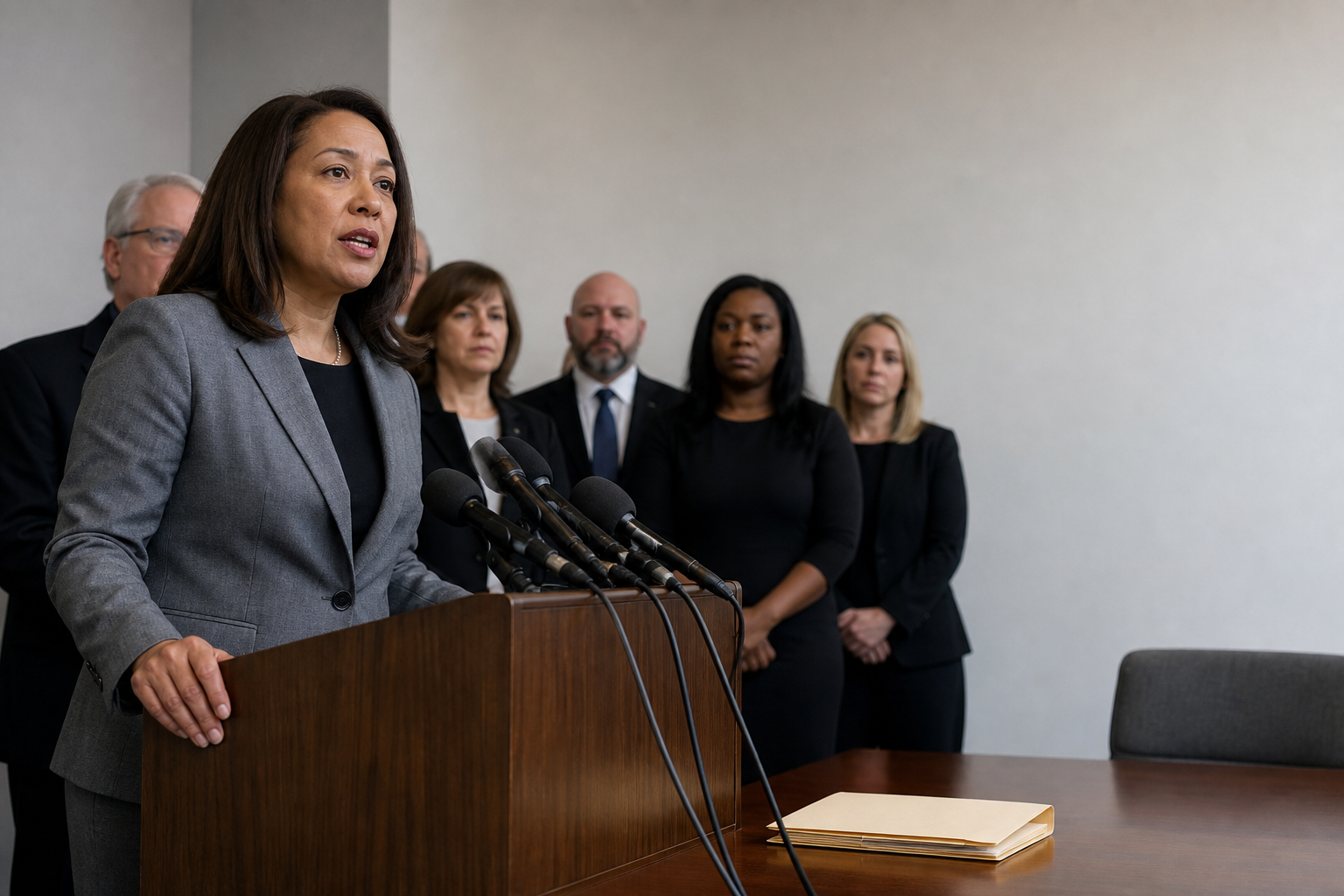
ITHACA, N.Y. -- The Tompkins County District Attorney's office has declined to pursue charges in the alleged gang rape of a Cornell University student at a campus fraternity house, a decision officials reached after carefully considering the evidence they had not looked at.
Cornell University Police Department investigators spoke with witnesses, logged incoming tips, and assembled materials related to the alleged assault. The district attorney's office, upon receiving this package, elected to proceed directly to a conclusion, skipping what legal experts traditionally describe as the middle part.
The DA's office did not review witness statements. It did not review tips. It is unclear whether anyone in the office was made aware that these items existed, or whether the office maintains a general policy of treating evidence as a kind of ambient background noise, present but not required.
Tompkins County District Attorney Matthew Van Houten did not respond to requests for comment, which at this point feels thematically consistent.
"We take allegations of sexual violence extremely seriously," a spokesperson for the office said in a statement, which was 38 words long and contained no reference to what the words 'review' or 'evidence' mean.
The alleged victim reported a gang rape at a fraternity house. Cornell police did their job. Witnesses were interviewed. A file was built. Then the file, apparently, lived its best life somewhere in the DA's office, untouched, while a formal prosecutorial decision was rendered about its contents by people who had not read them.
To be clear about the sequence of events: evidence existed, the DA did not look at it, and the case was closed. In most industries this is called a bad outcome. In the Tompkins County justice system it appears to be the workflow.
The fraternity in question has not been named publicly. Its members, who were never charged, are presumably fine. The folder continues to exist.
Legal scholars reached for comment noted that American prosecutors have broad discretion in deciding which cases to pursue, which is true, and that this discretion is generally understood to be exercised after reviewing the materials, which is the part that appears to have been optional here.
A second-year Cornell law student, who asked not to be named because she still has to live in this county, described the situation as "the prosecutorial equivalent of leaving a Yelp review for a restaurant you did not enter."
Cornell University issued a statement expressing concern and reaffirming its commitment to campus safety, which it has now done eleven times in four years regarding incidents at fraternities, a number that suggests the commitment has not yet found its implementation strategy.
The alleged victim has not commented publicly. The evidence is still in the folder.
The folder has not commented either, but sources say it is holding up.
The story we are making fun of: https://www.nbcnews.com/news/us-news/da-not-review-additional-evidence-cornell-police-collected-alleged-gan-rcna601252