Conspiracy
NYT Marks 175 Years, Regrets Some Things, Has Not Yet Identified Them
By Tah Foil, . BSN Network. Satire.
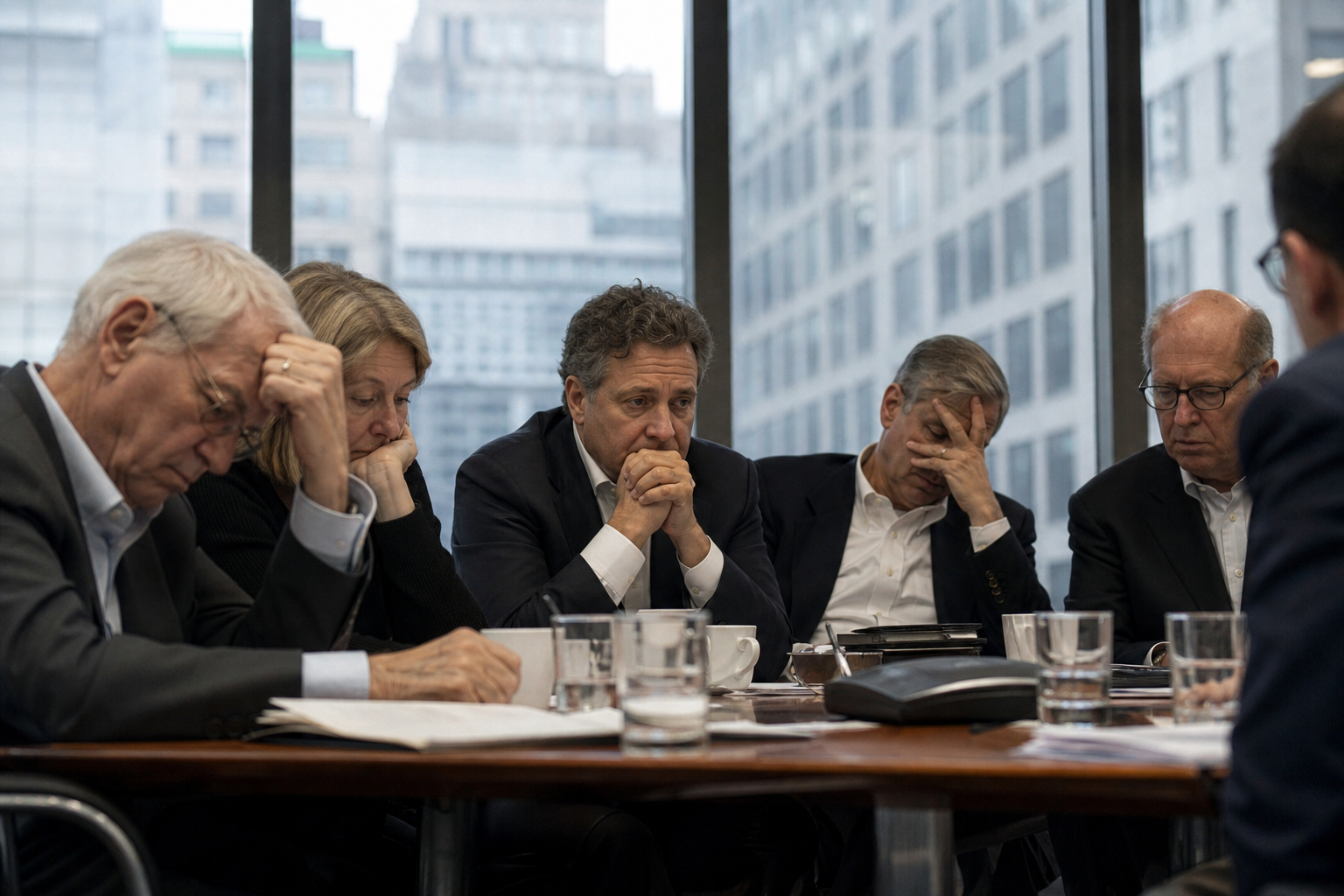
The New York Times this week published a commemorative retrospective in honor of its 175th anniversary, tracing the paper's history from its founding on September 18, 1851, to its current position as the primary source of record for people who need to feel informed before arguing at dinner. The piece was written by the Times, about the Times, and edited at the Times, a conflict-of-interest structure the paper has previously described in an internal style memo as legacy institutional self-reflection.
The retrospective, which ran to approximately 4,200 words, devoted roughly 3,800 of them to achievements. These included coverage of two World Wars, the Pentagon Papers, Watergate, and the invention of the crossword difficulty gradient, which the piece describes as a gift to the Sunday-morning experience of every American with nowhere to be.
The remaining 400 words address what the paper calls moments where our coverage did not fully capture the complexity of the story. These moments include, without being specifically named: the suppression of Walter Duranty's Pulitzer-winning Soviet famine denial, the pre-Iraq War reporting that treated aluminum tubes as a confirmed weapons program, and a 2002 to 2003 editorial posture that several historians have since described in peer-reviewed journals as catastrophic. The retrospective describes all of these collectively as areas of ongoing reflection.
Duranty, who won the 1932 Pulitzer for reporting that there was no famine in Ukraine while millions of Ukrainians starved, is referred to in the piece as a correspondent whose work generated significant subsequent discussion. The Times still has his Pulitzer. It has considered returning it at least twice. It has decided, both times, that returning it would, quote, improperly interfere with the Pulitzer Board's jurisdiction. The Board has noted it cannot revoke prizes on its own. The two institutions have been deferring to each other on this for approximately forty years, which is a very efficient system for doing nothing.
Publisher A.G. Sulzberger issued a statement to accompany the retrospective. It read, in its entirety: "For 175 years, The New York Times has existed to help people understand the world. We have not always succeeded. We have always tried. We will keep trying." He then attended a private reception in the Times Building where a custom cake was served in the shape of the front page from November 9, 1918, which is a correct front page and contains no known errors.
The retrospective does not mention Judith Miller by name. It does not mention the word Iraq. It mentions the word courage fourteen times.
For context, the paper's digital subscription base currently stands at 10.9 million, which Sulzberger cited in the same statement as evidence that readers trust quality journalism. It is worth noting that 4.2 million of those subscriptions are attributed to Games, a product suite that includes Wordle, Spelling Bee, and a Connections puzzle that a significant portion of users describe as the only reason they have not cancelled. The retrospective does not mention Wordle. The section on the Pentagon Papers is 600 words. The Pentagon Papers section is shorter than the section on the Times's new headquarters building, which is described as architecturally significant and LEED certified.
In a sidebar, the paper invites readers to share their favorite Times memory using a dedicated online portal. As of publication, the most-submitted response, according to sources familiar with the portal's backend, is the Mini Crossword.
The Times has promised a follow-up retrospective examining its digital transformation, to be published in 2026. That piece will be written by the Times, about the Times, and will not mention this one.
The story we are making fun of: https://www.poynter.org/commentary/2026/new-york-times-175-anniversary/