Politics
The Counties That Voted Hardest For Trump Are Now Rationing Dinner
By Mor Michael, . BSN Network. Satire.
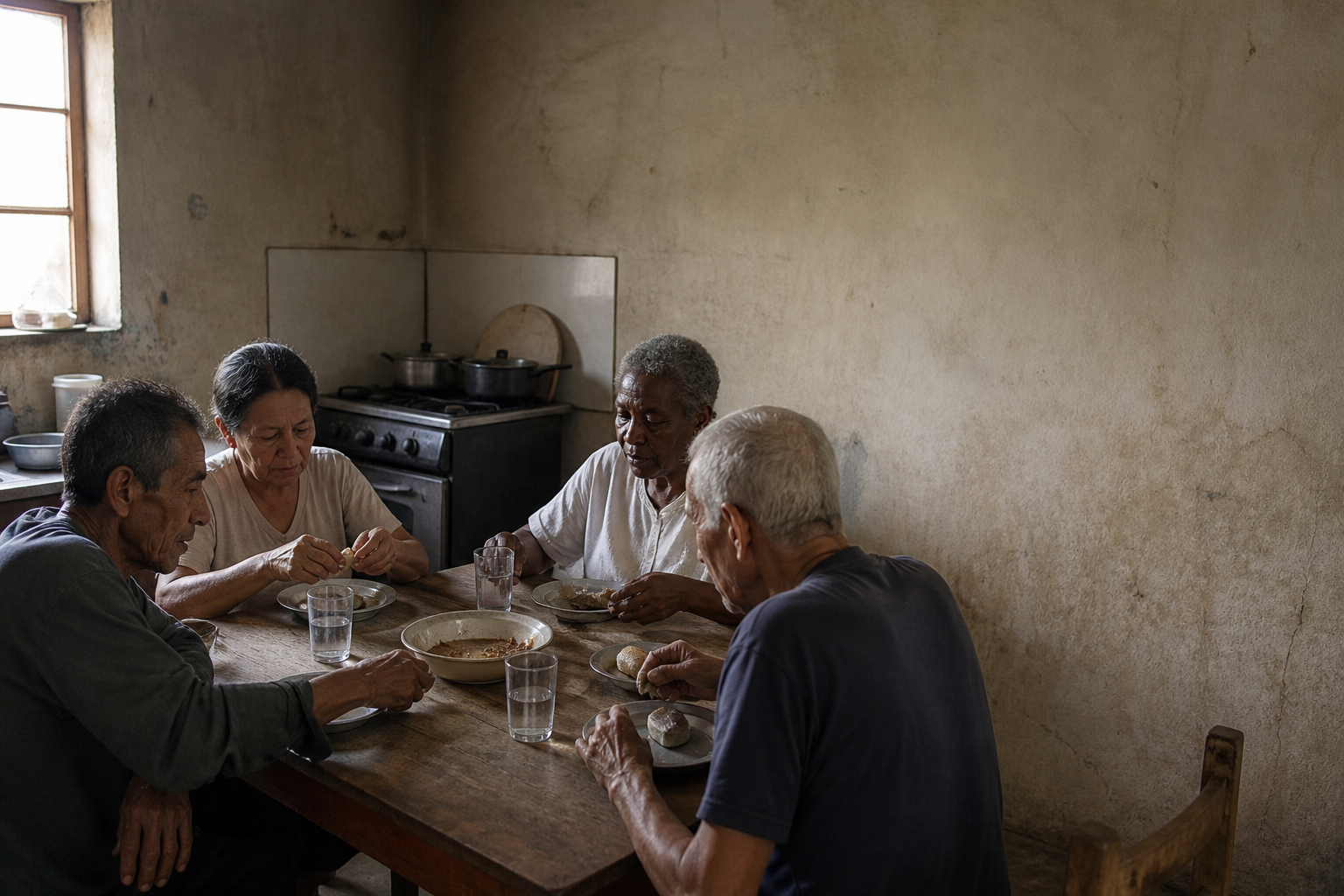
MINGO COUNTY, W.Va. -- The pantry at Calvary Baptist Church opens at eight in the morning and runs out of most things by nine-fifteen. This has been true every week since February, when the USDA terminated several of the commodity food distribution contracts that rural West Virginia has depended on since roughly the first time anyone in Washington remembered these counties existed, which was November 2024, briefly.
Volunteers at the pantry, who between them have logged something close to four hundred combined hours this spring, say they have begun rationing. A single box of shelf-stable goods, previously given to one household, now goes to two. Pasta is split at the bag. Canned vegetables are allocated by can rather than by case. The system, according to pantry coordinator Debbie Stover, 61, is working out fine if you don't think too hard about it.
"We just make do," Stover said, in the particular tone of someone who has been making do for so long that the phrase has lost all of its weight. "People understand. They're patient. They wait."
They are waiting, specifically, because the federal government decided that the food assistance infrastructure supporting rural communities represented an area of redundant expenditure, which is the phrase agencies use when they mean they would like to stop doing something but would prefer not to say so plainly.
The cuts arrived through several channels simultaneously, a technique the administration has developed into something approaching an art form. SNAP work requirements were tightened. Commodity distribution contracts were allowed to lapse. A USDA program that had been purchasing surplus agricultural products and routing them to food banks, the kind of program that costs relatively little and does a measurable amount of good, was quietly defunded in a budget reconciliation document that ran to several hundred pages and received approximately forty minutes of national news coverage before everyone moved on to something else.
Senator Shelley Moore Capito's office, asked for comment, released a statement praising West Virginia's "resilient spirit" and its "tradition of community self-reliance," which is the political equivalent of telling someone their car is on fire and complimenting their attitude about it.
The people waiting outside Calvary Baptist at seven-fifty in the morning are, demographically, the exact population that delivered West Virginia to Donald Trump by thirty-nine points in November. This is not an argument. It is a fact sitting very quietly in the room, the way an unpaid bill sits on a kitchen table.
Robert Deel, 58, a retired coal worker from Williamson who drove twenty minutes to get here, said he voted the way he voted because he believed someone was finally going to do something about the people who had forgotten about places like this. He said this without apparent irony. He is not stupid. He is a person who made a calculation and is now watching the results come in, one half-box at a time.
"I figured it couldn't get worse," Deel said.
The pantry has noted, in its informal records, that it served forty-three percent more households in April than it did a year ago. Stover is trying to get a second refrigerator donated. She has three leads.
In Washington, the administration this week announced a new initiative to promote American energy dominance, agricultural independence, and what a press release called "the foundational dignity of the self-sufficient American family."
Debbie Stover split a bag of penne down the middle and handed half to a woman she has known since second grade.
The line moved forward.
The story we are making fun of: https://www.nbcnews.com/news/us-news/west-virginia-hunger-trump-cuts-food-stamps-gas-prices-iran-rcna601637