Absurdity
GOP Strategist Warns Allowing College Students to Vote Could Lead to Educated Opinions
By BSN Staff, . BSN Network. Satire.
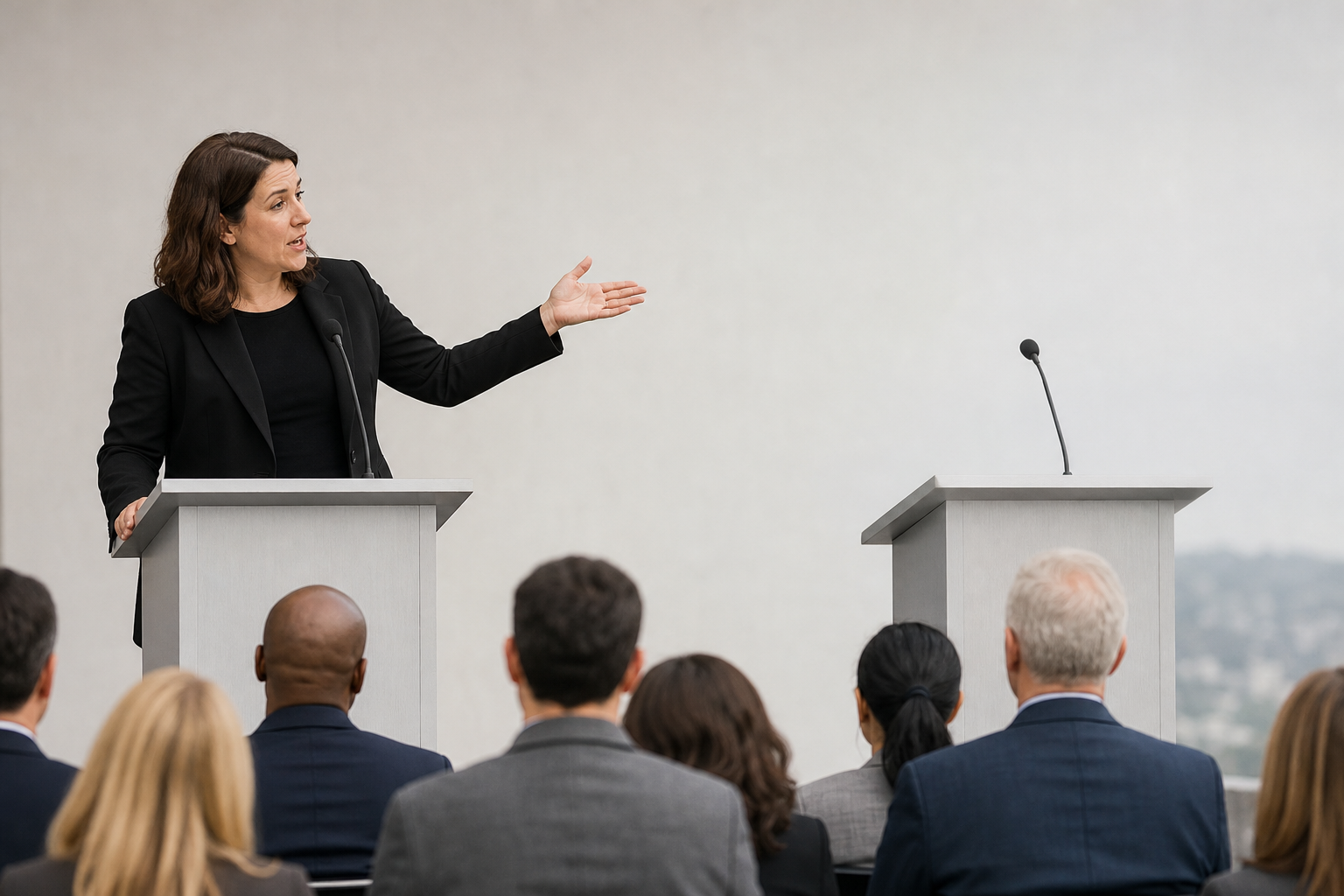
PHOENIX, AZ, A Republican political strategist has formally warned the party that allowing college students to cast ballots in federal elections represents one of the most serious threats to conservative electoral viability in a generation, specifically because those students may have recently learned things.
The memo, authored by GOP operative Gerald Fitch, a Yale graduate, was distributed Monday to a list of senior party officials, major donors and one person who was accidentally CC'd and has since unsubscribed.
In it, Fitch argues that college campuses have become "incubators of contextual thinking," and that students exposed to subjects such as economics, history, political science or, in one alarming passage he italicized himself, "environmental studies," arrive at the polls equipped with what he calls "preformed frameworks."
"The traditional voter makes decisions based on instinct, loyalty and the vague feeling that someone on television reminded them of their father," Fitch wrote. "The college voter has taken a class. We cannot stress enough how problematic this is."
Fitch's proposed remedies include moving polling locations to places college students are statistically unlikely to visit, a list he admits was compiled by asking his intern, and a push to reclassify any undergraduate degree in the humanities as "a certificate of opinion formation" that would trigger additional ID requirements at the polls.
He also recommends a counter-programming initiative in which the party produces its own curriculum, tentatively titled "Foundations of Reasonable Certainty," which would teach students that most questions do not have answers and that forming a strong view about anything is, ultimately, a form of arrogance.
"We're not anti-education," Fitch clarified in a follow-up call with party officials, a call that was later described by three attendees as "the most clarifying twenty minutes of my career, and not in a good way." "We are simply pro-humility. Specifically the kind of humility that leads a person to stay home on a Tuesday."
The memo has drawn both criticism and quiet, slightly nauseous agreement from within the party.
Congressman Dale Pruett of Georgia, who sits on the House Subcommittee on Elections and once described his own education as "a series of rooms I was present in," called the document "bold" and said he planned to read it as soon as someone explained several of the longer words.
"Look, I've always said the problem with this country is people think they know things," Pruett told reporters outside a Chick-fil-A in Marietta. "Gerald is putting numbers to that. I respect the process."
Not everyone was supportive. Republican pollster Diane Schraft, who was not on the distribution list but obtained a copy through what she described as "the usual channels," said the memo represented a strategic miscalculation of historic proportions.
"You cannot run a national campaign on the platform that smart people shouldn't participate," Schraft said. "Well. You can. But then you have to win, and winning is harder when the people counting the ballots have also taken statistics."
Fitch pushed back on that characterization in a statement released Tuesday afternoon, saying the memo had been "taken out of context by people who, frankly, have demonstrated exactly the problem I'm describing."
The memo's appendix includes a one-page section titled "What We Lose When Everyone Has Done the Reading," which Fitch describes as "a values document" and which a Democratic operative who reviewed it described as "a cry for help formatted in Times New Roman."
A spokesperson for the Republican National Committee said the party had not officially endorsed the memo but added that "all perspectives from dedicated operatives are welcome in our big tent."
The tent, for the record, does not cover any university campuses.
Fitch, reached for final comment Wednesday, said he remained confident the party would take the threat seriously.
"In a democracy, every voice matters," he said. "We just think some voices matter more when they haven't spent four years being encouraged to use them."
He has a master's degree in public policy from Georgetown.
He voted absentee.
This is satire. The events and quotes are invented and none of it is real news.