Culture
Great White Sharks Horrified To Learn They Have Siblings
By Bruno Von Falken, . BSN Network. Satire.
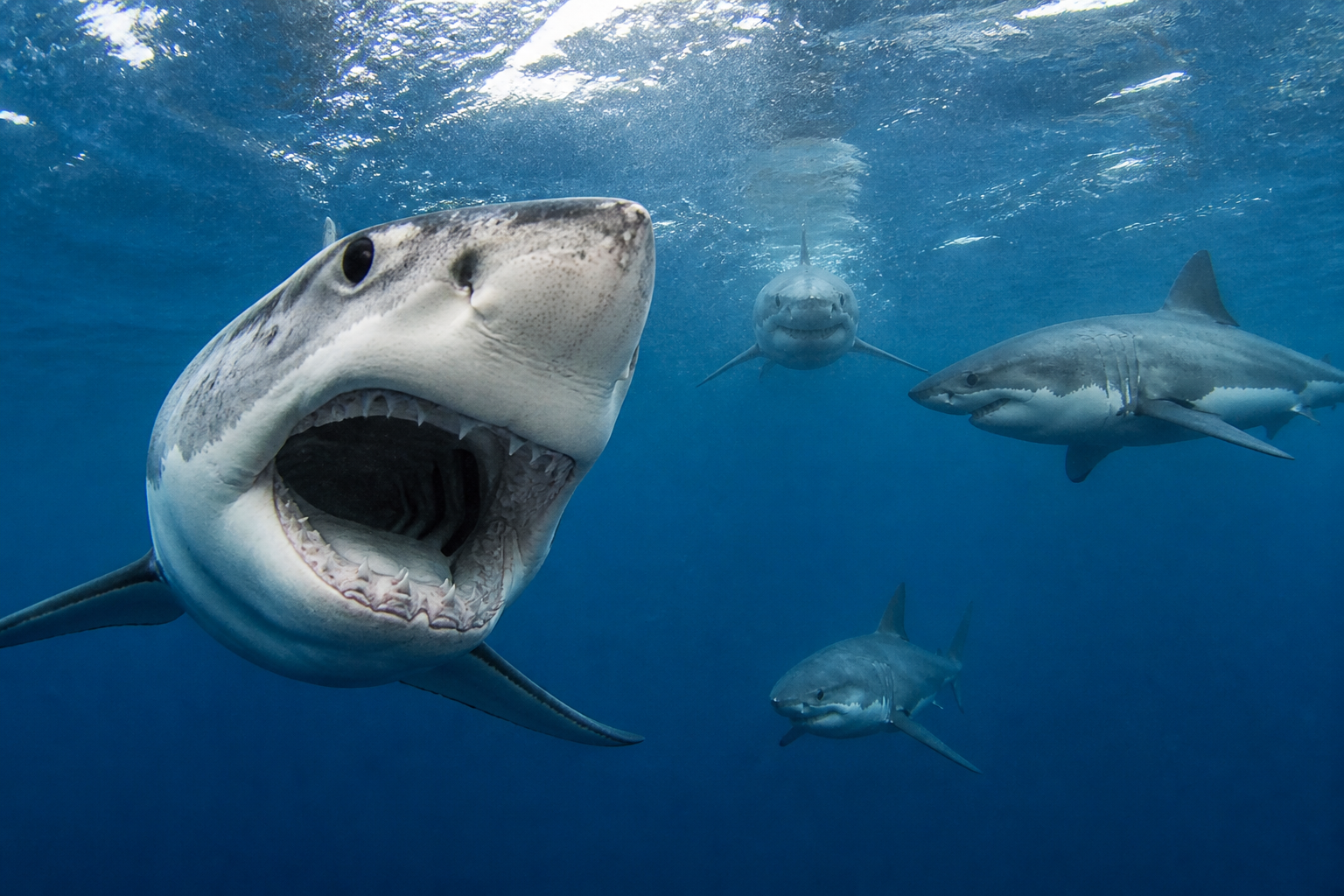
A group of great white sharks who had spent years enjoying the clean, consequence-free lifestyle of apex ocean predators have been informed by researchers that they have families, and the fallout is being described as significant.
OCEARCH, the marine research nonprofit best known for tagging sharks and then announcing those sharks on social media as if they were minor celebrities, published findings this week confirming three pairs of full great white siblings and seven likely half-sibling pairs swimming in the Atlantic. The organization says the results represent a breakthrough in understanding how great white populations are structured. The sharks themselves were not available for comment, though one tagged female designated Martha has been logging unusual looping behavior near the continental shelf that researchers are calling "consistent with processing difficult news."
The study works by collecting DNA from tagged sharks and cross-referencing genetic markers across individuals. What scientists found is that great whites, long assumed to be solitary animals with no meaningful social bonds, have been quietly sharing an ocean with their brothers and sisters the entire time, which raises an uncomfortable question nobody in the press release chose to address directly: did they know?
Dr. Fenwick Brule, a marine geneticist at a coastal university who was not involved in the study but was very willing to be quoted, said the findings suggest great white family dynamics are "far more complex than previously understood, and potentially far more awkward."
"These animals have been crossing paths for years," Brule said. "In at least two documented cases, siblings were tracked within twelve miles of each other. Whether they interacted, whether they recognized each other, whether one of them borrowed a seal and never gave it back, we simply do not know."
OCEARCH was careful in its official statement to describe the discovery as a milestone for conservation science, noting that understanding family groupings could help predict migration patterns and inform protected zone policy. The statement used the phrase "meaningful data" four times and the phrase "extraordinary" twice, which is the approved institutional language for announcing something that would, in any other context, cause a family to stop speaking to each other for three years.
Of the half-sibling pairings, researchers noted that shared maternal DNA without shared paternal DNA suggests great white mothers are not particularly selective, which the sharks themselves have been declining to address. One male, tagged and named Bruno by OCEARCH in a naming convention that does nobody any favors, is believed to share a mother with at least two other individuals he has never intentionally approached.
Fishermen operating off the Cape Cod coast had mixed reactions to the news.
"I'm not going to lie, I feel worse about it now," said one commercial fisherman who asked not to be named. "Before it was just a shark. Now it's a shark with a complicated home life."
A tourism operator running shark-spotting charters said the sibling angle was actually good for business. "People love a family story," she said. "I'm already thinking about merchandise."
OCEARCH says it plans to continue expanding its genetic database, which currently holds samples from dozens of tagged individuals. Future analysis may reveal cousins, which scientists say would open "an entirely new set of questions," and which the sharks are presumably hoping does not happen.
Martha was last pinged forty miles off the Virginia coast, heading south.
The story we are making fun of: https://nypost.com/2026/09/12/us-news/great-white-family-tree-takes-shape-after-dna-reveals-2-ocearch-tagged-sharks-are-siblings/