Politics
Houthi Drones Costing Less Than A Tesla Keep Moving Oil Prices More Than OPEC Can
By Mor Michael, . BSN Network. Satire.
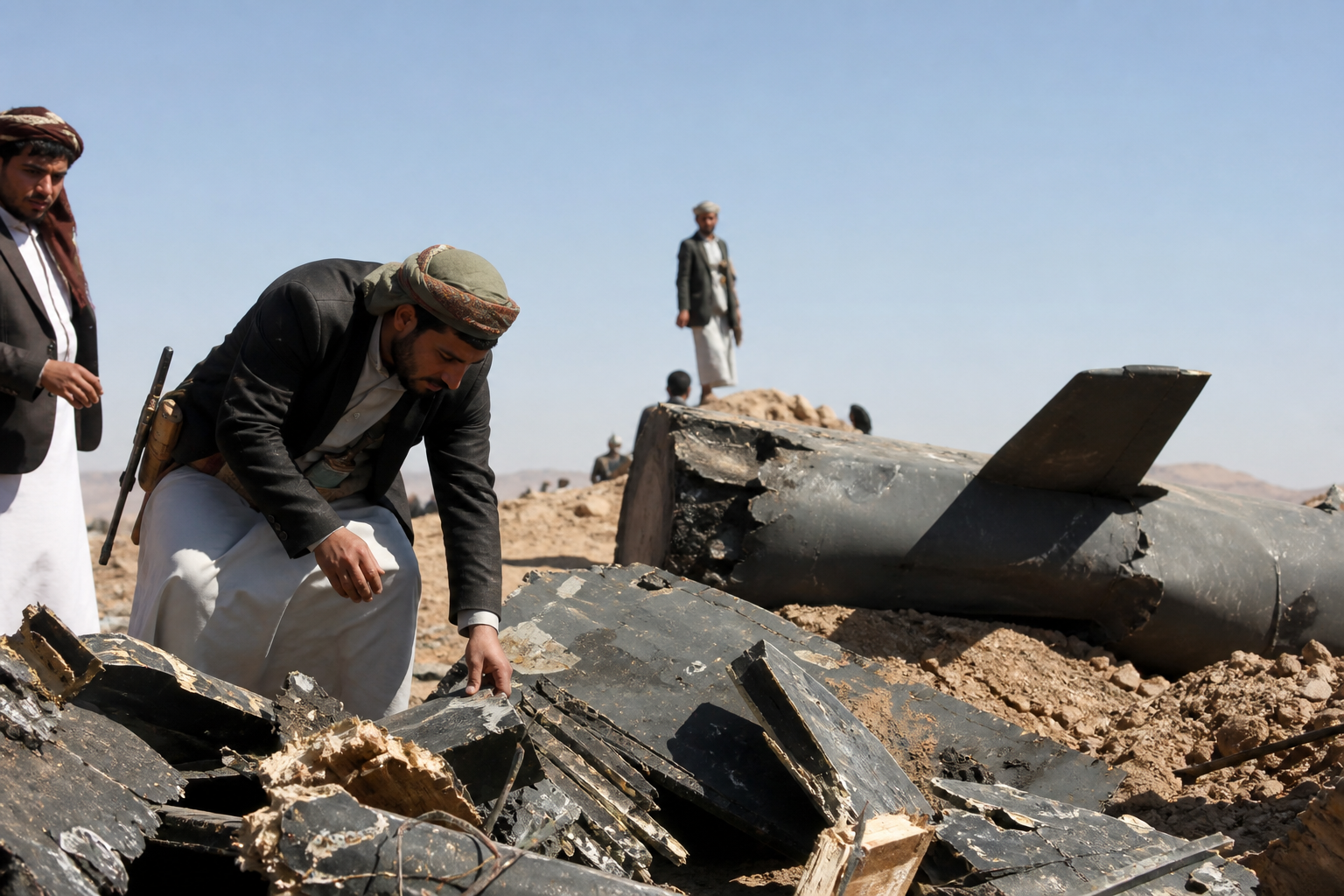
Saudi Arabia shut down a major oil pipeline over the weekend after it was struck by drones launched from Iraqi territory, with the attack linked to Iran-backed Houthi rebels whose military budget, by most estimates, is smaller than the annual lobbying spend of a mid-size American petroleum company.
The closure sent regional energy markets into immediate distress, with analysts warning of further price volatility and at least three think tanks publishing op-eds whose titles were variations of the phrase "a tinderbox."
The Houthis are, technically speaking, a non-state actor. They do not have a recognized government. They do not have a functioning central bank. They control territory that produces nothing the global economy needs, unless you count the strategic value of being located near everything the global economy cannot afford to lose. They have, in the last two years, demonstrated a gift for finding that distinction useful.
Mohammed bin Salman, who has spent the better part of a decade and several hundred billion dollars on a project called Vision 2030, which involves turning Saudi Arabia into a diversified, modern, globally admired economy, has now watched a rebel group with refurbished consumer drones do more to shape his country's oil revenue in a single afternoon than the Vision 2030 steering committee has managed in three years of PowerPoint presentations.
Elon Musk posted about it. The post was about something else.
The Iraqi government issued a statement describing the drone launch as "deeply concerning" and pledging a full investigation, which is the diplomatic equivalent of a landlord promising to look into the mold after the ceiling has already come down on your bed.
On the question of how a landlocked, internationally isolated, financially strangled rebel faction keeps successfully targeting one of the most heavily defended pieces of infrastructure on the planet, energy analysts have offered several competing theories, none of which involve the obvious answer, which is that the pipeline is very long and the sky above it is very wide and a drone that costs eleven thousand dollars does not need a sophisticated targeting system when the thing it is looking for is several hundred miles of pipe.
A spokesperson for the Gulf Cooperation Council said in a statement Saturday that the member states "stand united in condemning all acts of aggression against civilian energy infrastructure and reaffirm their commitment to regional stability." The statement was eight hundred words long. The pipeline remained closed.
Ray Dalio appeared on a financial podcast Monday morning to explain that we are living through a major geopolitical paradigm shift and that smart investors should be thinking about real assets. He said this for forty-five minutes. Oil went up two dollars and came back down. Ray Dalio was not near a pipeline at any point.
Back in Washington, three separate Senate subcommittees announced hearings on energy security in the Middle East, which will be scheduled for sometime in the fall, after recess, assuming the conflict does not resolve itself or worsen significantly in the interim, either of which would require updating the prepared remarks.
The Houthis released a statement claiming credit for the strike and promising additional operations against Saudi infrastructure until their demands were met. Their demands were not listed in the statement. This is, militarily, a solid negotiating position.
The pipeline is expected to resume partial operations within seventy-two hours, according to Saudi Aramco, pending a security assessment. The drones, presumably, are also pending.
The story we are making fun of: https://www.nbcnews.com/world/middle-east/saudi-arabia-shutdown-key-pipeline-limits-oil-flow-yemen-houthis-rcna597362