Politics
Mecklenburg-Western Pomerania Given Sole Custody of Merz's Political Career
By Mor Michael, . BSN Network. Satire.
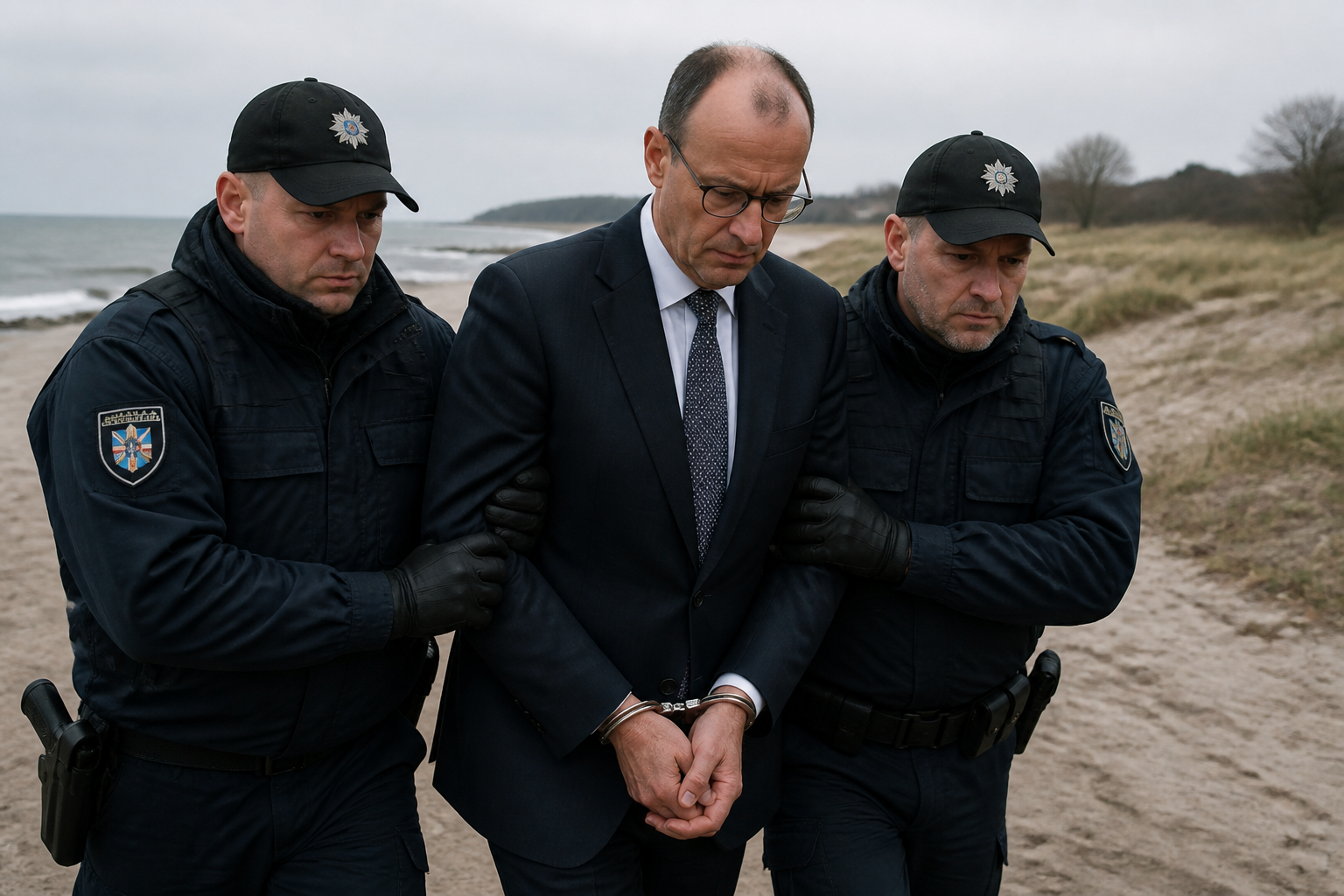
German Chancellor Friedrich Merz is learning what every powerful man eventually learns, which is that the thing most likely to end your career is not a scandal, not a rival, and not a vote of no confidence. It is two regional elections in states that the rest of Europe confidently mispronounces and then apologizes for.
On Sunday, voters in Berlin and Mecklenburg-Western Pomerania, a coastal state in Germany's northeast that has the energy of a place that watched the Wall come down and thought, honestly, mixed feelings, went to the polls in state-level elections whose results have been widely described as a referendum on Merz's government. Merz himself has not described them that way, because he is a politician and politicians do not describe things as referendums until after they win them.
Merz became chancellor in May after a coalition process that took so long that several of the journalists covering it had time to develop opinions about German constitutional law, which is not something that happens to a person on a good timeline. He leads the CDU, the center-right party that has historically governed Germany by being slightly less alarming than the available alternatives. That advantage is now being tested by the AfD, the far-right party that is currently polling at levels that have made the German political establishment do the thing where they stare at a spreadsheet for a very long time and then ask if anyone wants coffee.
In Mecklenburg-Western Pomerania, a state that spell-check treats as a personal attack, the AfD has been running strong. The SPD, Merz's coalition partner and a party that has spent the last three years looking like a man trying to remember where he parked, held the state previously. Whether it holds on is now one of two questions determining whether Merz's government is described in future history books as a chancellorship or as a transitional period.
Elon Musk, who has spent considerable time in recent months expressing strong opinions about German politics despite not living in Germany, not speaking German, and having the geopolitical attention span of someone who just discovered Wikipedia at 2 a.m., endorsed the AfD earlier this year in a series of posts that German voters received with the enthusiasm typically reserved for unsolicited advice from a stranger on a train. His involvement has been described by AfD leadership as an asset and by everyone else as a sentence they have to explain to their parents.
Merz, for his part, held a press conference last week in which he described the upcoming elections as an opportunity for voters to send a message of stability. When a reporter asked what message he would send if the results went badly, Merz said that he would continue to focus on the challenges facing Germany, which is the political equivalent of saying you are fine when you are clearly not fine and everyone in the room can see that you are not fine.
The CDU is expected to perform adequately in Berlin, which in Berlin means performing adequately in one borough while losing several others to parties that do not yet have English Wikipedia pages. Adequate is the word Merz's team has reportedly settled on internally, according to three people familiar with the internal settling.
What happens after the results are counted is, according to German political analysts, a coalition math problem that will require several days of news coverage, a whiteboard, and at least one person on television saying the word fragmentation in a tone that suggests they have been waiting their whole career to use it this seriously.
Mecklenburg-Western Pomerania will have its answer by Monday morning. Merz will have his slightly after that, once someone explains it to him in terms that do not require a map.
The story we are making fun of: https://www.bloomberg.com/news/newsletters/2026-09-18/merz-makes-his-last-stand-in-twin-german-votes