Absurdity
Rocket Expected To Complete Ten-Hour Orbit Then Fall Into Ocean As Planned This Time
By Jeff Garstein, . BSN Network. Satire.
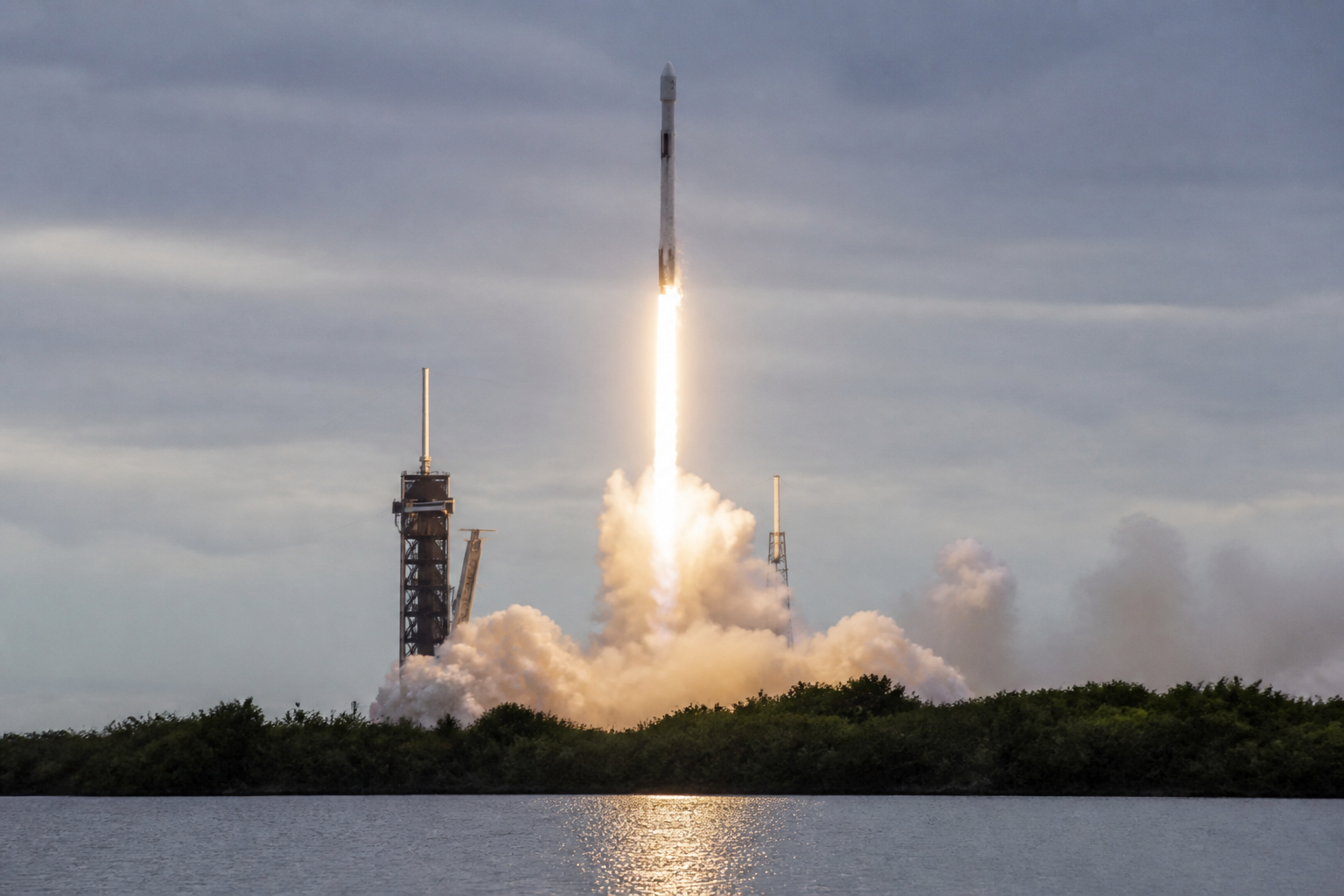
SpaceX announced this week that Starship Flight Test 14 is targeting a September 22 launch window, with the vehicle expected to reach orbit, complete a roughly ten-hour coast phase, and then descend into the Pacific Ocean in what the company is calling a "controlled splashdown," which is the aerospace industry's preferred way of saying the rocket will fall into the water on purpose rather than by accident, and the distinction matters more to some people than others.
The mission is uncrewed, which SpaceX describes as a deliberate engineering choice and which everybody else recognizes as the only sane option for a vehicle on its fourteenth test flight, a number that implies the previous thirteen attempts produced thirteen data sets and also, in several cases, impressive footage.
Flight Test 9 ended with the booster landing cleanly and the upper stage tumbling into the ocean in a way that the company described as "within expected parameters," a phrase that has since been retired. Flight Test 11 achieved orbit briefly before the vehicle performed what one engineer's internal Slack message, later screenshotted and posted to Reddit, described as "an unplanned rapid disassembly with audience."
Elon Musk posted to X on Tuesday that Flight 14 represents "the transition from test program to operational cadence," adding a rocket emoji and a checkered flag. He has posted variations of this sentence following Flights 6, 8, 10, and 12. The posts from Flights 10 and 12 have since been quietly deleted, though the replies remain.
The ten-hour orbital coast is the meaningful new element here. Previous missions either failed to reach orbit, reached orbit briefly before something went wrong, or reached orbit and came back down in a timeframe that gave nobody enough time to feel proud before the situation changed. Ten hours is long enough to eat a meal, watch a film, take a nap, wake up anxious, and then watch the landing feed with the volume low so you can pretend you were calm the whole time.
Scott Manley, the astrophysicist and YouTube commentator who has covered every Starship test with the steady voice of a man who has made peace with the possibility of watching an expensive object explode on camera, noted that the coast phase would allow SpaceX to test thermal management systems, attitude control in microgravity, and propellant transfer hardware that will eventually be required for lunar missions. He said this clearly and without irony, which is the most impressive part of his job.
The Pacific splashdown is planned for a zone approximately 300 kilometers off the coast of Hawaii, a location selected because it is deep, remote, and belongs to no one in a legal sense that would require SpaceX to call anyone beforehand. The FAA has issued a temporary flight restriction for the corridor, which means a number of commercial flights will be rerouted for a window that the agency listed as "up to 14 hours," because even the regulators are budgeting for the possibility that ten hours becomes something else.
A SpaceX spokesperson confirmed that recovery operations would not attempt to retrieve the upper stage vehicle after splashdown, describing the Starship as "expended" for this mission. The booster, Super Heavy, is expected to return to the launch site and be caught by the mechazilla arms at Starbase, a sentence that still sounds made up no matter how many times it has successfully happened.
When asked whether the program considered crewing the vehicle at this stage, the spokesperson said the company's "human rating process" for Starship was ongoing and that passenger missions would come "when the data supports it." The data has so far supported fourteen uncrewed attempts. The passengers can wait.
The launch window opens at 7:00 a.m. Central Time on September 22. SpaceX's webcast begins thirty minutes prior. Bring something to do for the middle part.
The story we are making fun of: https://www.theregister.com/offbeat/2026/09/16/spacex-aims-starship-for-orbit-on-september-22/5296836