Conspiracy
White House Coupon For Prescription Drugs Only Valid On Items To Be Announced Later
By Tah Foil, . BSN Network. Satire.
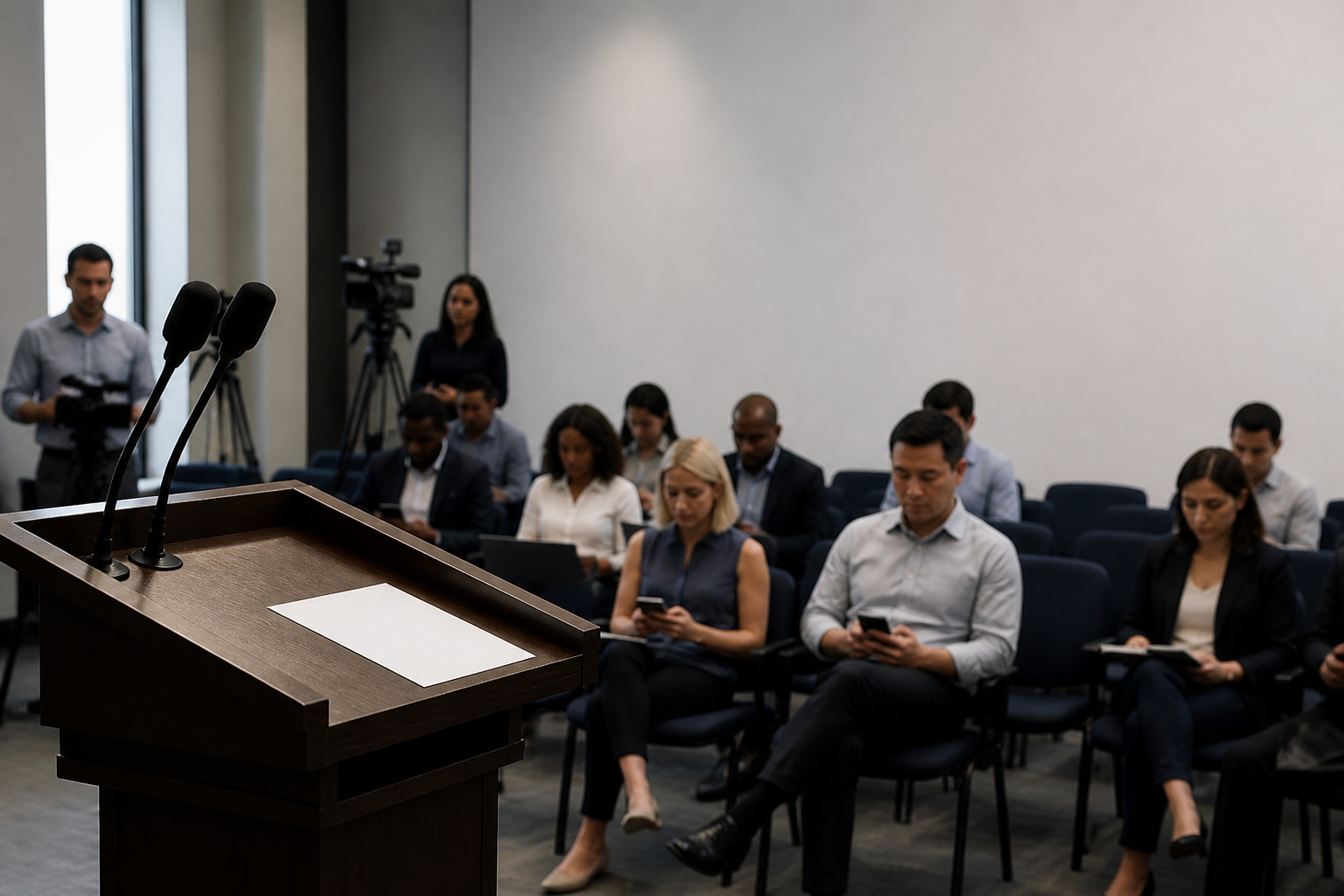
WASHINGTON, D.C.: The Trump administration announced this week that it has struck deals with pharmaceutical companies that will save Medicaid tens of billions of dollars on prescription drugs over the next decade, a claim that health policy experts are calling significant, historic, and extremely difficult to verify because the administration has not said which drugs are covered, which companies have signed agreements, or what the agreements actually require anyone to do.
President Trump described the deals as "perhaps the greatest negotiation in the history of medicine," which is a category of negotiation that has historically required two parties to agree on something specific.
The White House confirmed that tens of billions of dollars in savings are expected. It did not confirm the drugs, the companies, the terms, the mechanism of savings, or the definition of the word "deal" as used in the announcement.
Senior administration officials told reporters the details were being finalized, which differs from the original announcement, in which senior administration officials told reporters the deals were done.
Dr. Ellen Pryce, a health economist at Georgetown who has spent eleven years studying Medicaid drug pricing, said she had reviewed every public document the administration released and reached a conclusion she described as professionally uncomfortable.
"There are no public documents," Pryce said. "I reviewed all of them."
The pharmaceutical companies named in early reporting include several of the largest manufacturers in the world. Several of those companies declined to comment. Two issued statements confirming they were "in ongoing dialogue with the administration regarding pricing frameworks," which is the corporate equivalent of saying you have a girlfriend but she goes to a different school.
Medicaid, the federal-state health program covering roughly 80 million low-income Americans, currently spends more than $100 billion annually on prescription drugs. The administration says the new deals will reduce that figure substantially. Experts say that is plausible, meaningful, and would be a genuine policy achievement, which is why they keep asking what was agreed to.
"If you saved thirty billion dollars on statins, that's one story," Pryce said. "If you saved thirty billion on a drug only seven people take, that's a different story. We can't evaluate the number until we know the denominator. That's not a political position, that's arithmetic."
The White House did not respond to questions about the denominator.
Former pharmaceutical lobbyist and current consultant Dale Figg, who asked to be identified only as someone who has seen this kind of announcement before, said the structure of the deal as described reminded him of something.
"It's like when a supermarket flyer says 'savings inside' and then you open it and the savings are on a brand of cracker nobody buys," Figg said. "Could be real savings. Could be a coupon for something already discontinued. The flyer is technically accurate either way."
The administration has so far released a two-page summary, a graph showing savings over time without units labeled on the vertical axis, and a photograph of the President shaking hands with a man whose name was not included in the caption.
Experts say the ten-year timeline is itself worth scrutiny, since Medicaid drug policy is set in part by states, changes with each administration, and has historically proven resistant to savings estimates that assumed nothing would change for a decade.
The White House said additional details would be released soon.
The drugs remain at large.
The story we are making fun of: https://www.factcheck.org/2026/10/trump-touts-medicaid-drug-savings-but-details-remain-murky/