Absurdity
Trump thinks Universal Healthcare Is Evil Because Poor People Might Get It
By BSN Staff, . BSN Network. Satire.
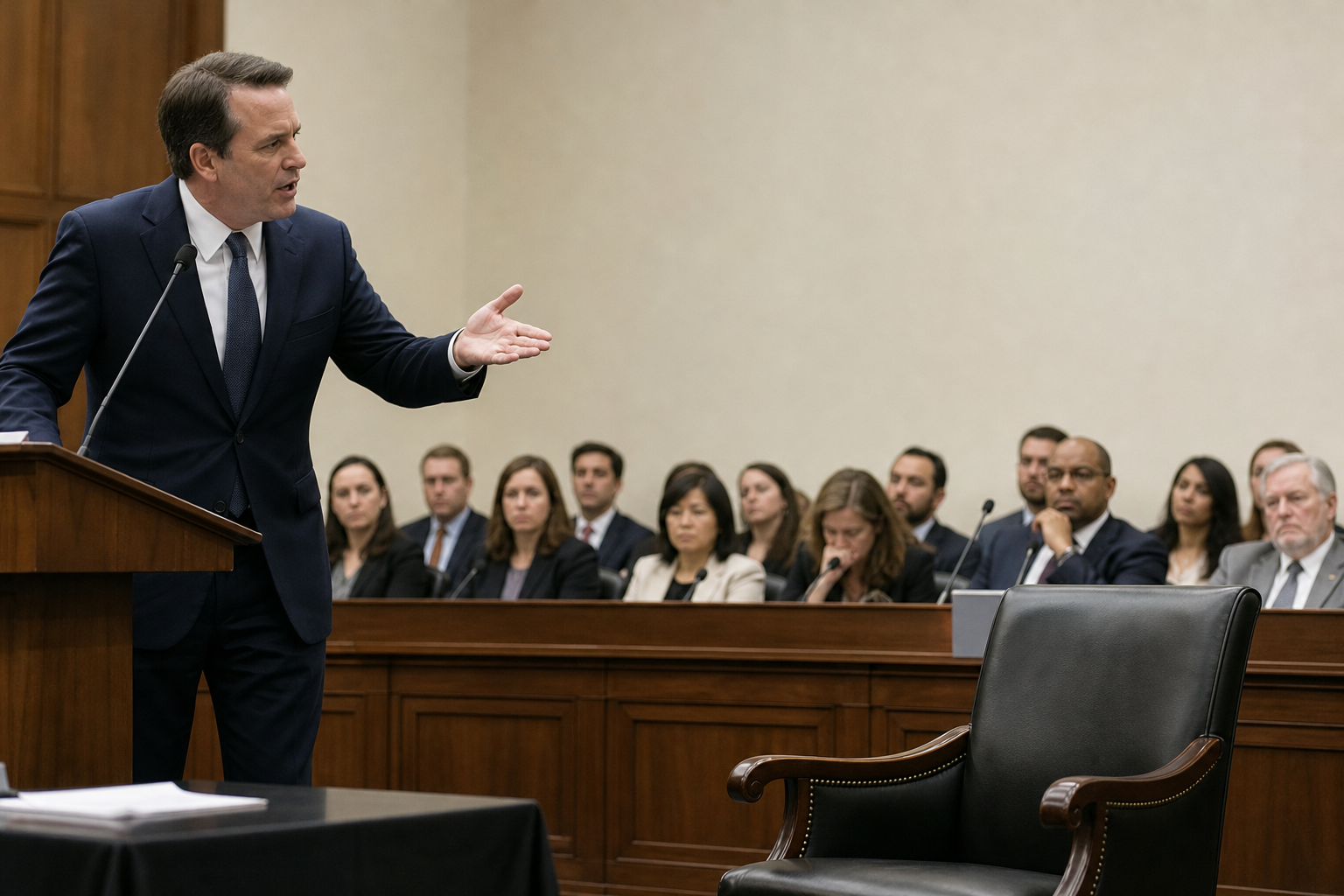
WASHINGTON, D.C. -- President Donald Trump announced his formal opposition to universal healthcare Tuesday following a White House briefing in which advisors confirmed, in writing, that the program would extend medical coverage to all Americans regardless of income, employment status, or whether they own a boat.
The President described the revelation as a betrayal.
"I'm sitting there, I'm listening, and they tell me it's universal," Trump said at a Rose Garden press conference, using air quotes around the word universal both times he said it and once when he did not. "And I said, what does that mean, universal? And they said, everybody. And I said, even the people who aren't doing well? And they said yes. And I said, then we have a very big problem."
Press Secretary Karoline Leavitt later clarified that the President's objection was "philosophical in nature" and had nothing to do with cost projections, provider networks, or the sixteen-page memo from the Department of Health and Human Services that nobody in the West Wing has opened.
Sources inside the meeting say the President's mood darkened specifically when an aide confirmed that the word universal had not, historically, been a negotiating position.
"He asked if we could do 'universal but tiered,'" said one official who requested anonymity because they are still employed. "We explained that tiered and universal are opposites. He said, 'Not if you do it right.'"
The President reportedly spent eleven minutes proposing a system he called "healthcare for the people who deserve it," which aides noted was the definition of the existing system, before moving on to ask whether gold-plated insurance cards were a feasible incentive for high earners to opt in voluntarily.
Lester Krupke, a senior fellow at the Institute for Health Policy Research, told reporters the position was ideologically consistent if you accepted a very specific reading of the word deserve.
"What the President is describing," Krupke said, "is a system where coverage functions as a reward rather than a right, which is just private insurance with a flag on it."
Krupke added that this was, medically speaking, not a policy.
Republican leadership has largely rallied to the President's position. Senator Bill Cassidy of Louisiana called universal coverage "a well-intentioned idea that penalizes success by including people who have not demonstrated it." Speaker Mike Johnson said the word universal had "a certain European energy to it" and that he was uncomfortable.
Trump elaborated on his objection at a fundraiser Tuesday evening, telling donors that universal healthcare was "communism with a co-pay" and that he had personally consulted with several very rich doctors who agreed with him, though he declined to name them on the grounds that they were "very busy and very wealthy and don't need this."
The President confirmed he supports healthcare in principle.
"I love healthcare," he said. "I have incredible healthcare. The best. You've never seen healthcare like mine. But what I don't love is when you take something incredible and you give it to everyone, because then it's not incredible anymore. That's just math."
A group of sixty-three economists issued a joint statement Wednesday noting that is not, in any sense, math.
The White House has proposed an alternative framework it is calling Selective American Vitality and Excellence, or SAVE, which aides confirmed would cover roughly the same population as existing Medicaid, cost more to administer, and require applicants to submit a one-page essay on personal responsibility.
Enrollment opens in the fall, pending Senate approval and the development of an essay-grading rubric.
A spokesperson confirmed the rubric will be outsourced.
This is satire. The events and quotes are invented and none of it is real news.
Satire & Commentary BSN publishes satirical commentary on real events alongside entirely fictional stories. Content may include invented quotes, fictional scenarios, and exaggeration for humor and should not be read as strictly factual reporting.